

Long Island homeowners know that storm season is a fact of life. From October through April, nor'easters batter the island with sustained winds, heavy rain, and occasionally ice and snow. Summer brings severe thunderstorms with hail and high winds. And every few years, a tropical system or hurricane reminder sweeps through. After any significant weather event, knowing how to identify roof damage can save you thousands in preventable repairs.
Signs of Wind Damage
Missing or Lifted Shingles
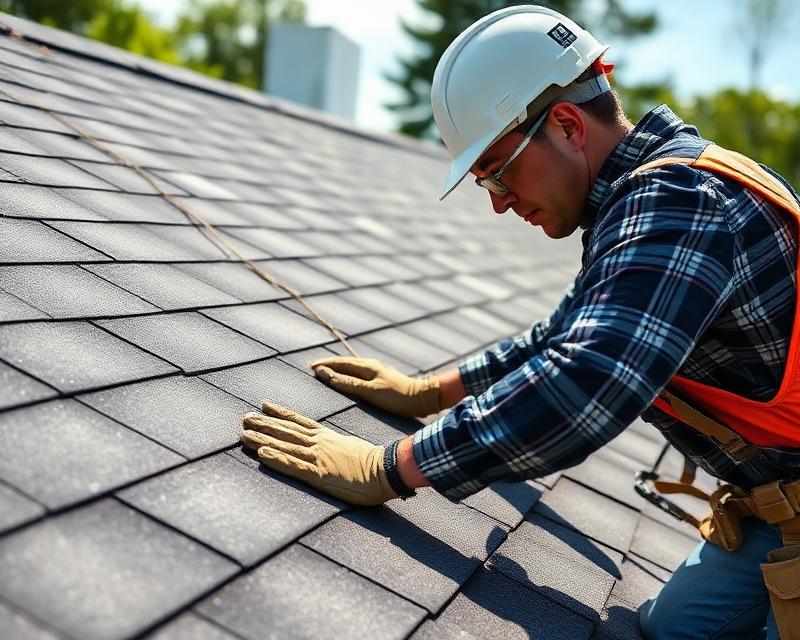
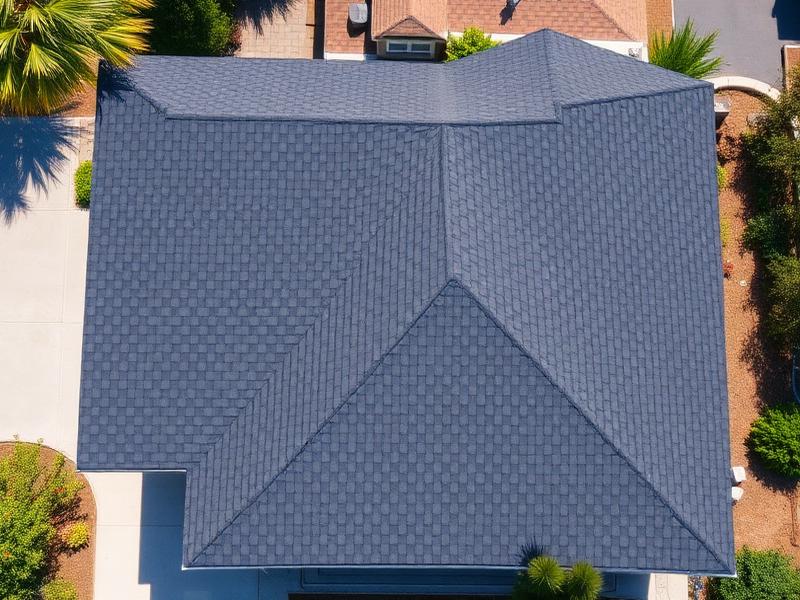
The most obvious sign of wind damage is missing shingles—look for bare patches where the dark underlayment or plywood decking is exposed. But also watch for shingles that are still attached but visibly lifted, curled, or creased. Wind gets under shingle tabs and breaks the sealant bond, creating entry points for water even if the shingle hasn't completely blown off. After a nor'easter, scan your roof from ground level with binoculars, paying special attention to ridge lines, valleys, and edges where wind uplift is strongest.
Exposed Underlayment or Decking
If you can see black felt paper or bare plywood from the ground, your roof's weather barrier has been compromised. This is an emergency situation—water will penetrate these areas during the next rain event, potentially causing structural damage, insulation saturation, and mold growth in your attic.
Damaged Flashing
Metal flashing around chimneys, vents, skylights, and wall-to-roof transitions can be bent, lifted, or completely torn away by high winds. Flashing failures are responsible for a disproportionate number of roof leaks because they protect the most vulnerable intersection points on your roof.
Signs of Hail Damage
Dents in Metal Components
Check your gutters, downspouts, drip edge, and any exposed metal flashing for circular dents or dimples. If you see hail damage on these components, your shingles have almost certainly been impacted too. Also inspect metal patio furniture, outdoor AC units, and car surfaces—if these show damage, your roof took the same hits.
Granule Loss on Shingles
Hail impacts knock the protective granules off asphalt shingles, exposing the underlying asphalt layer to accelerated UV degradation. Look for dark spots or areas where shingles appear smoother or shinier than surrounding areas. Check your gutter downspout outlets—excessive granule accumulation (more than normal wear) indicates impact damage. Granule loss from hail is different from age-related wear: hail creates random, circular impact marks, while aging causes uniform loss.
Cracked or Fractured Shingles
Large hail (1" diameter or greater) can crack shingles outright, creating splits that may not be visible from ground level but allow water infiltration. These fractures often don't leak immediately but worsen with subsequent freeze-thaw cycles.
Signs of Water Damage
Ceiling Stains
Brown or yellow circular stains on your ceiling are the classic indicator of a roof leak. Note that the stain location doesn't always correspond to the leak location—water can travel along rafters and sheathing before dripping through at a seam or fastener point. Multiple stains or expanding stains indicate an active, ongoing leak.
Attic Moisture
If you have attic access, check for wet insulation, water marks on rafters, daylight visible through the decking, and musty odors. After a major storm, an attic inspection is the fastest way to confirm whether your roof system is compromised. Look for frost buildup on the underside of the decking in winter—this indicates inadequate ventilation compounded by moisture intrusion.
Exterior Wall Streaking
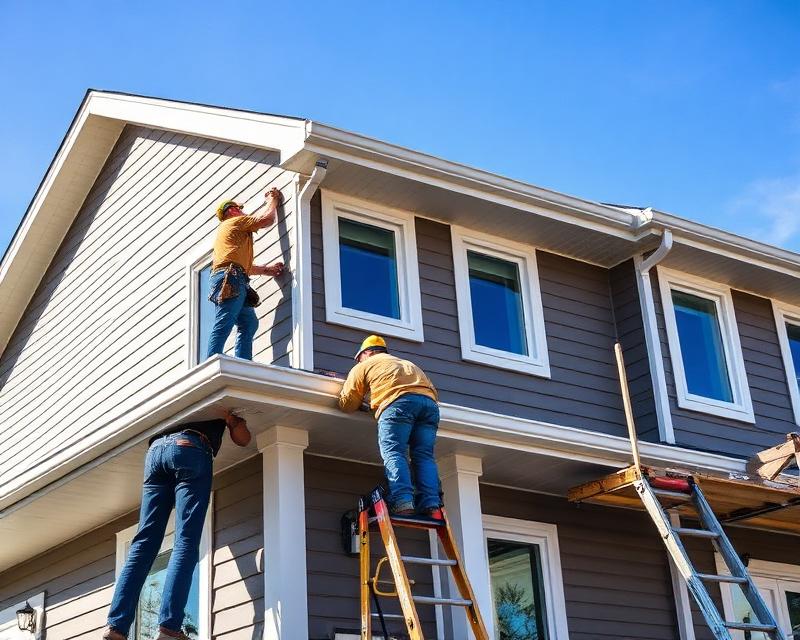
Water stains running down the side of your house below the roofline often indicate gutter overflow, failed flashing, or ice dam damage at the eave. These issues are frequently caused by storm damage that went unaddressed.
Fallen Debris Damage
Long Island's mature tree canopy means that wind storms regularly send branches—and sometimes entire trees—onto roofs. Even branches that don't puncture the surface can scrape away granules, bend flashing, and crack shingles. After any storm with significant wind, walk your property perimeter and look for debris on the roof, broken branches hanging over the roofline, and displaced ridge caps.
When to Call a Professional
Call immediately if you see: missing shingles, exposed decking, active leaks, or structural damage from fallen trees. These require emergency tarping and repair to prevent escalating damage.
Schedule an inspection within 1–2 weeks if you see: minor granule loss, small dents in metal, lifted shingle edges, or suspect ice dam damage. A professional can assess whether repair or replacement is the right call.
DIY inspection is appropriate for: ground-level visual scans, gutter checks, and attic inspections after minor storms. Never walk on a wet, damaged, or steeply pitched roof—leave that to professionals with fall protection equipment.
Insurance Claims: What to Know
If your roof sustains storm damage on Long Island, your homeowner's insurance policy likely covers it (subject to your deductible). Key steps:
- Document everything: Take photos of damage from multiple angles before any temporary repairs.
- File your claim promptly: Most policies require notification within a specific timeframe.
- Get a professional assessment: Insurance adjusters appreciate detailed, professional damage reports. We provide thorough documentation that supports your claim.
- Don't sign with storm chasers: Out-of-town crews that appear after major storms often lack proper licensing and insurance. Work with a local, established contractor.
Free Storm Damage Inspections
Pyramid Contracting offers free storm damage inspections for Long Island homeowners. Our crews are trained to identify all forms of wind, hail, and water damage—including the subtle signs that are easy to miss from ground level. We'll provide a detailed written report with photos, repair recommendations, and a transparent estimate.
As a local, fully licensed and insured contractor headquartered in Quogue, we're not going anywhere. We've been helping Long Island homeowners recover from storms for over 20 years, and we'll be here long after the repair is complete. Learn more about our roofing services or contact us to schedule your free inspection.